Interior Design Companies in Dubai and Space Transformation
Wiki Article
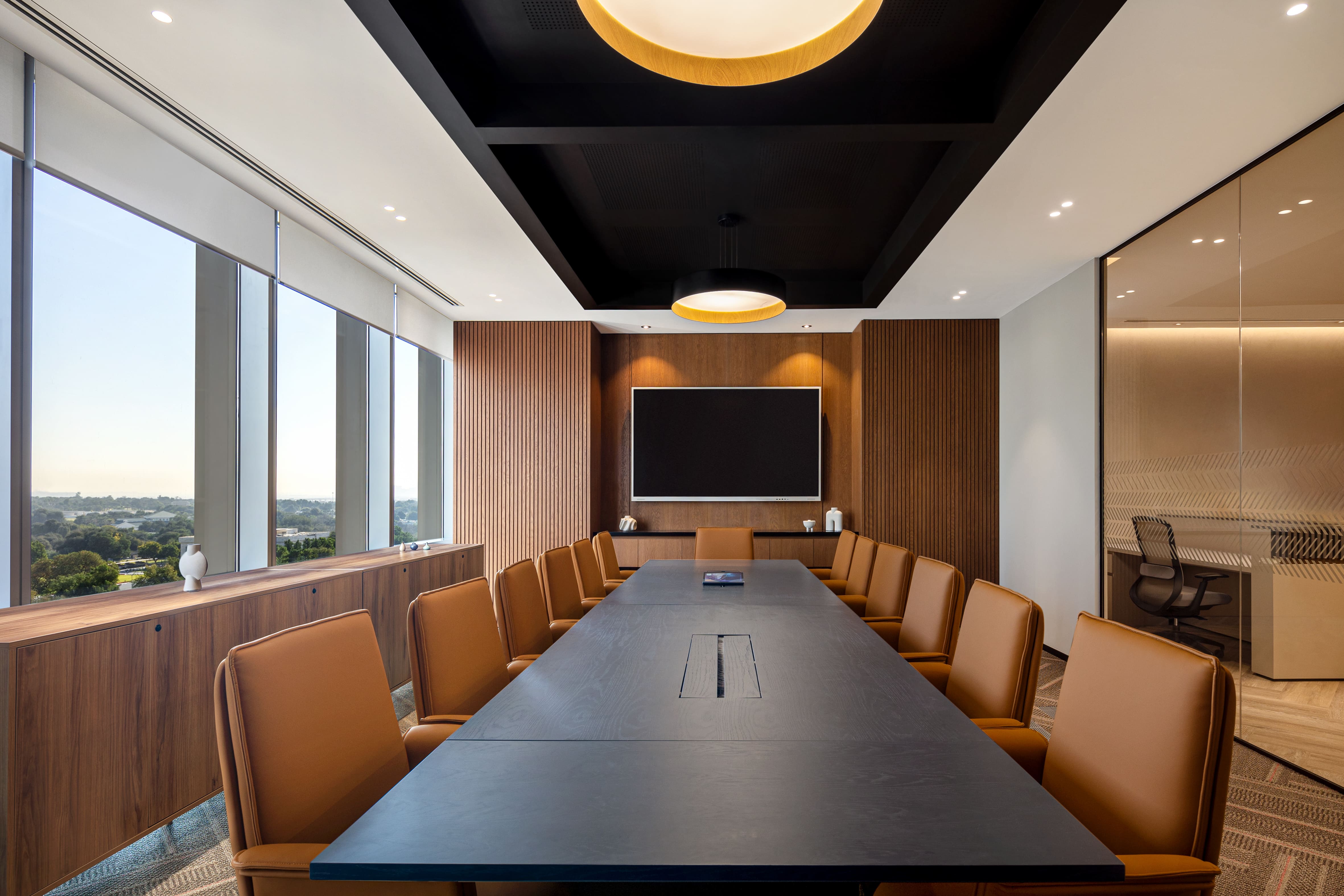
Dubai has become synonymous with architectural ambition, refined aesthetics, and innovative living environments. From ultra-modern residential towers to high-end retail spaces and corporate headquarters, the city’s built environment reflects a constant pursuit of excellence. At the heart of this transformation are interior design companies in Dubai, which play a pivotal role in redefining how spaces function, feel, and inspire.
Interior design today is no longer limited to selecting furniture or choosing color palettes. It is a strategic discipline that blends creativity, technology, functionality, and cultural awareness to craft environments that enhance lifestyle and productivity. In a city known for rapid growth and global influence, interior designers are shaping spaces that meet international standards while embracing regional identity.
This article explores how interior design firms contribute to space transformation, the processes they follow, emerging trends, and the profound impact they have on residential, commercial, and hospitality environments.
The Evolution of Interior Design in Dubai
Dubai’s development over the past few decades has been extraordinary. What was once a modest urban landscape has evolved into a global hub of innovation and luxury. This rapid expansion has significantly influenced interior design practices.
Initially, design priorities focused on functionality and rapid execution to meet growing demand. Over time, however, expectations shifted toward bespoke environments that balance sophistication with comfort. Clients now seek spaces that reflect personal taste, brand identity, and sustainability goals.
Interior design in Dubai has evolved into a multidisciplinary field, integrating architecture, engineering, technology, and environmental design. Designers must navigate complex building regulations, diverse cultural preferences, and high client expectations. The result is a dynamic industry that consistently pushes creative boundaries.
Understanding Space Transformation
Space transformation goes beyond aesthetic upgrades. It involves reimagining how an area is used, experienced, and perceived. Effective transformation addresses three primary elements:
1. Functionality
A beautifully designed space that lacks practical efficiency cannot truly succeed. Designers evaluate spatial flow, ergonomics, storage solutions, lighting, and acoustics to ensure seamless usability.
2. Emotional Impact
Spaces influence mood and behavior. Through color psychology, textures, lighting design, and spatial proportions, designers craft environments that evoke calm, energy, sophistication, or inspiration.
3. Identity and Branding
For commercial environments, interiors communicate brand values. Retail stores, offices, and hospitality venues use design elements to create memorable experiences aligned with their identity.
By balancing these elements, interior designers transform ordinary spaces into extraordinary environments tailored to specific needs.
Residential Interior Transformation
Residential design in Dubai reflects diversity. The city attracts residents from across the globe, resulting in a rich blend of cultural aesthetics and lifestyle preferences.
Personalized Living Spaces
Modern homeowners expect personalized interiors that reflect individuality. Designers begin with in-depth consultations to understand daily routines, family structures, and long-term goals. Layout planning becomes essential, especially in high-rise apartments where optimizing limited space is crucial.
Luxury and Comfort
Dubai’s residential market often emphasizes luxury. High-quality materials, custom cabinetry, statement lighting fixtures, and smart home integration are common features. However, luxury is increasingly defined by comfort and practicality rather than extravagance alone.
Smart Technology Integration
Home automation systems allow residents to control lighting, climate, and security from mobile devices. Designers collaborate with technical experts to integrate these systems seamlessly without compromising aesthetics.
Sustainability in Homes
Eco-conscious design is gaining momentum. Sustainable materials, energy-efficient lighting, water-saving fixtures, and natural ventilation strategies are now integrated into residential projects. This approach enhances environmental responsibility while reducing long-term operational costs.
Commercial Space Transformation
Commercial interiors require strategic thinking. The design must align with business goals, operational efficiency, and customer experience.
Office Environments
The modern workplace has undergone significant change. Traditional layouts with closed cubicles are being replaced by flexible, collaborative environments. Designers incorporate:
Open-plan workstations
Breakout zones
Wellness areas
Acoustic solutions
Biophilic elements such as indoor plants
These features enhance employee productivity and well-being while reflecting corporate identity.
Retail Spaces
Retail interiors focus heavily on customer experience. From strategic lighting placement to intuitive layout design, every detail influences purchasing behavior. Designers create immersive environments that encourage exploration and engagement.
Hospitality Design
Hotels, restaurants, and lounges demand visually striking yet functional interiors. Lighting ambiance, seating arrangements, material durability, and spatial flow are critical factors. The goal is to create memorable experiences that attract repeat visitors.
The Interior Design Process
Professional interior design companies follow structured processes to ensure successful project outcomes.
Initial Consultation and Brief Development
The journey begins with understanding client expectations, budget constraints, timelines, and specific requirements. A comprehensive brief forms the foundation of the project.
Concept Development
Designers develop mood boards, sketches, and digital renderings to visualize ideas. This stage explores themes, materials, color schemes, and spatial configurations.
Space Planning
Efficient space planning ensures optimal layout and movement. Designers assess structural limitations and propose solutions that maximize usable area.
Material Selection
Materials are selected based on aesthetics, durability, sustainability, and budget. High-traffic commercial spaces require resilient finishes, while residential projects may prioritize warmth and texture.
Execution and Project Management
Once designs are finalized, coordination with contractors, suppliers, and engineers begins. Effective project management ensures timely delivery and quality control.
Final Styling and Handover
The final stage includes installation of furniture, décor elements, and accessories. Attention to detail during styling ensures cohesive and polished results.
The Role of Innovation in Space Transformation
Dubai’s design landscape thrives on innovation. Emerging technologies and global influences continually shape the industry.
3D Visualization and Virtual Reality
Advanced visualization tools allow clients to experience designs before construction begins. Virtual walkthroughs improve decision-making and minimize costly revisions.
Sustainable Design Technologies
Energy modeling software helps predict energy consumption and optimize efficiency. Designers incorporate LED lighting, smart thermostats, and environmentally friendly materials.
Modular and Adaptive Design
Flexible furniture systems and movable partitions allow spaces to evolve over time. This approach is particularly beneficial in commercial environments where operational needs frequently change.
Cultural Sensitivity and Global Influence
Dubai’s multicultural population requires designers to balance global trends with local traditions.
Islamic geometric patterns, neutral palettes inspired by desert landscapes, and contemporary minimalism often coexist within the same project. Designers must understand cultural expectations regarding privacy, social interaction, and spatial hierarchy.
This fusion of global sophistication and regional character defines the city’s unique design identity.
Challenges in Interior Design Projects
Despite opportunities, interior design projects can face challenges:
Tight timelines
Budget constraints
Regulatory approvals
Supply chain delays
Evolving client expectations
Experienced designers anticipate potential obstacles and implement proactive solutions. Strong communication and detailed planning reduce risks and ensure smooth execution.
The Economic Impact of Interior Design
Interior design significantly contributes to Dubai’s economy. Real estate value often increases when properties feature high-quality interior finishes.
For businesses, well-designed interiors enhance brand perception, customer retention, and employee productivity. Investing in professional design is not merely an aesthetic decision it is a strategic business move.
Future Trends in Dubai’s Interior Design Industry
The future of interior design in Dubai is shaped by sustainability, technology, and wellness.
Biophilic Design
Incorporating natural elements improves mental well-being and air quality. Expect to see more green walls, indoor gardens, and natural light optimization.
Minimalist Luxury
Design trends are shifting toward understated elegance. Clean lines, neutral tones, and high-quality materials define modern luxury.
Wellness-Oriented Spaces
Health-focused interiors include ergonomic furniture, air purification systems, and calming color schemes. Both residential and commercial projects prioritize occupant well-being.
Smart and Sustainable Integration
Future designs will increasingly integrate renewable energy solutions and advanced automation systems.
Why Professional Expertise Matters
Space transformation requires more than creativity. It demands technical knowledge, regulatory awareness, and project management skills. Professional designers ensure compliance with local standards while delivering innovative solutions.
Their expertise reduces costly mistakes, improves efficiency, and enhances long-term property value. Whether designing a home, office, or retail space, professional guidance ensures that every detail contributes to a cohesive vision.
Final Thought
Interior design in Dubai represents a powerful fusion of artistry, technology, and strategic planning. From residential apartments to large-scale commercial developments, designers play a crucial role in redefining how spaces are experienced.
Through thoughtful space planning, material selection, technological integration, and cultural sensitivity, they transform interiors into environments that inspire and perform. As sustainability and innovation continue to shape the industry, the demand for expertly crafted interiors will only grow.
In the commercial sector particularly, the seamless coordination between design vision and execution is essential. This is why many businesses collaborate closely with commercial interior fit out companies Dubai to ensure that every project not only looks exceptional but also functions flawlessly for years to come.