How to Maintain Consistency with Your Espresso Grinder
Wiki Article
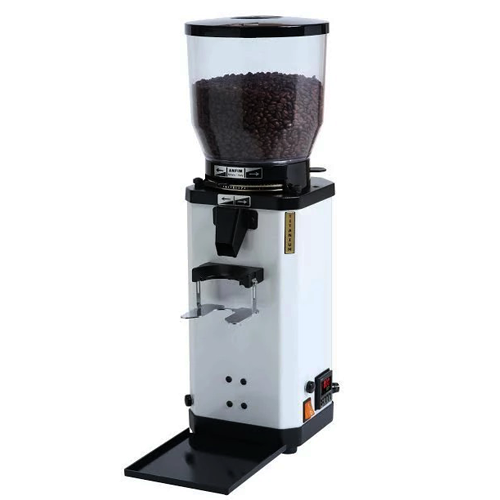
Consistency is the foundation of great espresso. While many coffee enthusiasts focus heavily on brewing equipment, the real secret to balanced extraction begins with the espresso grinder. Even the most advanced setup cannot compensate for uneven grind size, inconsistent dosing, or poorly maintained burrs. A reliable espresso grinder ensures uniform particle distribution, stable extraction time, and predictable flavor results. Without consistency at the grinding stage, achieving rich crema, balanced acidity, and full-bodied flavor becomes nearly impossible.
Maintaining consistency does not require complicated tools or professional-level training. Instead, it involves understanding how your grinder works, adopting a structured routine, and making small but deliberate adjustments. This guide explores the essential practices that help maintain stable grind quality and long-term performance.
Why Grind Consistency Matters
Espresso extraction is highly sensitive to grind size. Because espresso is brewed under pressure in a short period, even minor variations in grind texture can significantly alter the taste.
Consistent grinding ensures:
Balanced extraction
Stable shot timing
Even water flow
Rich crema formation
Reduced channeling
If grind particles vary widely in size, water will pass unevenly through the coffee puck. Finer particles may over-extract, causing bitterness, while larger particles under-extract, leading to sourness. Consistency prevents these flavor imbalances.
Understanding Your Grinder’s Mechanism
To maintain consistency, it is important to understand how grinders operate.
Burr vs Blade Grinders
Burr grinders use two abrasive surfaces to crush beans into uniform particles. They are preferred for espresso because they provide precision and repeatability.
Blade grinders, on the other hand, chop beans unevenly and are unsuitable for consistent espresso brewing.
Stepped vs Stepless Adjustment
Stepped grinders offer preset grind levels.
Stepless grinders allow micro-adjustments between settings.
Both types can produce excellent results when calibrated correctly, but stepless systems provide finer control for dialing in espresso.
Dialing In Your Grind Size
Proper grind size is crucial for consistent extraction.
Monitor Shot Timing
Espresso typically extracts within a target time range. If shots run too quickly, the grind may be too coarse. If extraction is slow or choking, the grind may be too fine.
Make small adjustments rather than drastic changes. Incremental corrections maintain stability.
Adjust Based on Bean Freshness
Fresh beans behave differently from older beans. As coffee ages, you may need to slightly adjust grind size to maintain consistent flow rate.
Keep Environmental Factors in Mind
Humidity and temperature can affect grind behavior. In humid conditions, coffee may clump more, requiring slight grind adjustments.
Maintaining Burr Health
Burr condition directly impacts grind consistency.
Clean Burrs Regularly
Coffee oils and residue accumulate over time. This buildup affects grind uniformity and flavor clarity. Establish a regular cleaning schedule to remove oils and particles.
Replace Worn Burrs
Burrs gradually lose sharpness. Dull burrs crush beans inconsistently, producing uneven particles. Replacing burrs at recommended intervals ensures continued precision.
Check Burr Alignment
Improper burr alignment can cause inconsistent grinding. Periodically inspect and recalibrate alignment if necessary.
Managing Dose Consistency
Grind consistency is not just about particle size. Dose accuracy plays a major role.
Use a Scale
Weigh coffee beans before grinding. Consistent input leads to consistent output.
Control Retention
Retention refers to coffee grounds that remain inside the grinder after use. High retention can result in stale grounds mixing with fresh ones. Minimize retention by:
Purging small amounts before brewing
Cleaning internal pathways
Using single-dose workflow if preferred
Monitor Output Weight
Check the ground coffee weight regularly to ensure dosing remains accurate.
Cleaning and Maintenance Routine
A structured cleaning routine prevents performance decline.
Daily Maintenance
Brush out loose grounds
Wipe the exterior
Empty the hopper if not in use
Weekly Maintenance
Remove and clean burr chamber
Inspect for residue buildup
Clear chute pathways
Monthly Maintenance
Deep clean burrs
Inspect for wear
Check calibration
Regular cleaning ensures smooth operation and consistent results.
Minimizing Static and Clumping
Static electricity can cause grounds to scatter or clump, affecting distribution.
Reduce Static Build-Up
Use beans at room temperature
Avoid overly dry environments
Lightly mist beans before grinding if needed
Break Up Clumps
Clumps create uneven extraction. Gently distribute grounds evenly before tamping to maintain uniform density.
Workflow Optimization for Consistency
Consistency thrives in routine.
Keep Settings Documented
Maintain a log of grind settings for different beans. This saves time when switching between roasts.
Standardize Preparation
Follow the same steps each time:
Weigh beans
Grind
Distribute evenly
Tamp with consistent pressure
Brew immediately
Predictable workflow reduces variability.
Calibration and Fine-Tuning
Periodic recalibration ensures your grinder remains accurate.
Test Extraction
Brew test shots after adjustments. Monitor:
Flow rate
Crema texture
Flavor balance
Make Micro Adjustments
Small, precise adjustments are key. Over-adjusting can lead to unnecessary instability.
Avoiding Common Mistakes
Changing Multiple Variables at Once
If you alter grind size, dose, and tamp pressure simultaneously, it becomes difficult to identify what caused changes in flavor.
Ignoring Cleaning
Neglecting maintenance leads to oil buildup, dull burrs, and flavor contamination.
Storing Beans Improperly
Exposure to air, light, and moisture reduces bean quality. Store beans in airtight containers to maintain grind predictability.
Impact of Consistency on Flavor
Consistent grinding enhances:
Sweetness
Body
Aroma clarity
Aftertaste smoothness
When particle size is uniform, water extracts soluble compounds evenly. This produces balanced flavor without harsh bitterness or sharp acidity.
Inconsistent grinding often results in muddled flavor, uneven crema, and unpredictable shot timing.
Long-Term Grinder Care
Consistency requires long-term attention.
Monitor Performance Trends
If shot timing gradually shifts without changing settings, burr wear may be the cause.
Protect Internal Components
Avoid grinding flavored or oily beans excessively, as they increase residue buildup.
Keep the Grinder Stable
Place the grinder on a stable surface to reduce vibration during operation.
The Relationship Between Grinder and Extraction Equipment
While grinding consistency is crucial, it must work in harmony with brewing equipment. A precise grind allows water to flow evenly under pressure, creating balanced extraction and optimal flavor. No brewing system can compensate for poorly ground coffee.
Even the most advanced espresso coffee machine relies on consistent grind size to perform effectively. When the grinder is well-maintained and properly calibrated, the brewing process becomes predictable, efficient, and rewarding.
Final Thoughts
Maintaining consistency with your grinder is not about perfection but about discipline and routine. Regular cleaning, careful calibration, accurate dosing, and mindful adjustments form the foundation of reliable performance. Small daily habits prevent major issues and preserve flavor integrity.
By understanding how grind size, burr condition, and workflow interact, coffee enthusiasts can achieve café-quality results with confidence. Consistency at the grinding stage transforms espresso preparation from guesswork into precision, ensuring each shot meets expectations and complements the capabilities of your espresso coffee machine.