Step-by-Step Guide to Sell Luxury Property in Dubai Successfully
Wiki Article
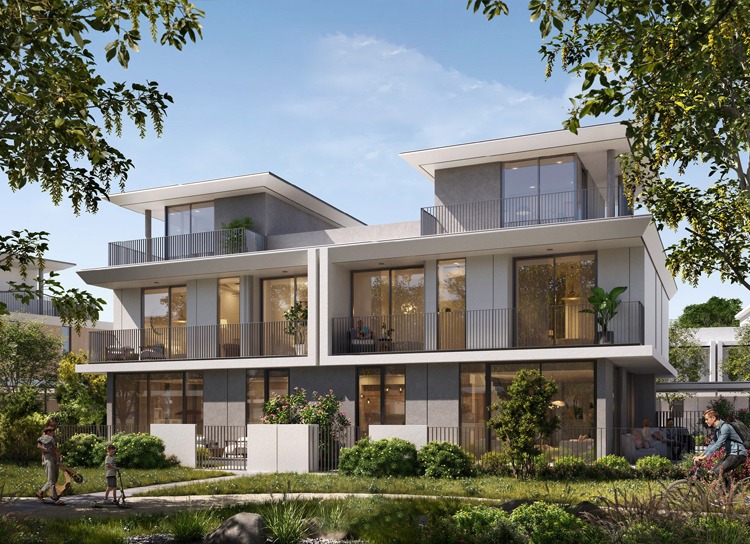
To sell luxury property in Dubai requires more than simply listing a home on the market. It demands strategic planning, precise market positioning, in-depth legal understanding, and a refined marketing approach tailored to high-net-worth buyers. The luxury segment operates differently from the standard residential market, with buyers expecting exclusivity, discretion, and premium presentation at every stage of the transaction.
This comprehensive step-by-step guide outlines the essential processes, considerations, and strategies necessary to achieve a successful and profitable luxury property sale. From preparation and valuation to negotiation and closing, each stage plays a critical role in maximizing both value and efficiency.
Step 1: Understand the Luxury Market Landscape
Before initiating the sale process, it is crucial to evaluate current market conditions. Luxury real estate is influenced by:
Global economic trends
International investor sentiment
Currency fluctuations
Government regulations
Demand from ultra-high-net-worth individuals
Unlike mid-range properties, luxury assets are often purchased for lifestyle, prestige, or long-term portfolio diversification. Sellers must align their strategy with buyer psychology and market timing.
Conducting detailed market research helps determine:
Comparable property pricing
Buyer demographics
Current supply and demand
Seasonal market behavior
Accurate insight ensures realistic pricing and stronger positioning.
Step 2: Set the Right Price from the Start
Pricing is one of the most critical elements in a successful luxury property sale. Overpricing can cause stagnation, while underpricing can reduce returns.
Luxury buyers are sophisticated and well-informed. They analyze value based on:
Location prestige
Architectural uniqueness
Plot size and built-up area
Quality of finishes
Smart technology integration
Lifestyle amenities
A strategic pricing approach involves:
Comparative market analysis
Property condition assessment
Competitive positioning
Consideration of negotiation margins
The goal is to create perceived value without discouraging serious buyers.
Step 3: Prepare the Property for Premium Presentation
Luxury buyers expect perfection. Presentation can significantly impact perceived value and final selling price.
Professional Staging
Staging transforms a property into a lifestyle experience. This may include:
Neutral yet elegant interiors
Statement décor pieces
Enhanced lighting
Art placement
Minimal personalization
Luxury staging emphasizes spaciousness, comfort, and sophistication.
Repairs and Upgrades
Addressing minor imperfections is essential. This may involve:
Repainting
Refinishing flooring
Landscaping enhancements
Updating fixtures
Deep cleaning
Even small upgrades can substantially increase buyer interest.
Step 4: Invest in High-End Marketing
Standard marketing techniques are insufficient for luxury properties. Premium assets require targeted and sophisticated campaigns.
Professional Photography and Videography
High-resolution imagery is mandatory. This includes:
Wide-angle interior shots
Twilight exterior images
Aerial photography
Lifestyle-focused visuals
Video tours add emotional appeal and allow international buyers to experience the property remotely.
Digital Exposure
An effective digital marketing plan includes:
Targeted social media campaigns
Search engine optimization
Exclusive listing platforms
Direct outreach to qualified prospects
Luxury marketing prioritizes quality over quantity, focusing on serious and capable buyers.
Step 5: Highlight Unique Selling Points
Every luxury property possesses distinctive characteristics. Identifying and promoting these features is key.
Potential unique selling points may include:
Waterfront views
Private pools
Landscaped gardens
Smart home systems
Designer interiors
High ceilings and expansive layouts
Private cinema or wellness facilities
Rather than listing features generically, present them as lifestyle advantages. Buyers in this segment invest in experiences, not just square footage.
Step 6: Maintain Discretion and Privacy
High-profile buyers and sellers often value confidentiality. A discreet sales process builds trust and enhances professionalism.
Best practices include:
Pre-qualifying potential buyers
Scheduling private viewings
Limiting public exposure if required
Protecting sensitive documentation
Discretion strengthens credibility and protects all parties involved.
Step 7: Qualify Buyers Carefully
Luxury transactions involve significant financial commitments. Ensuring buyer capability prevents wasted time and stalled negotiations.
Buyer qualification may involve:
Proof of funds
Mortgage pre-approval (if applicable)
Investment intent verification
Legal identity checks
Qualified buyers allow smoother negotiations and faster deal closure.
Step 8: Conduct Professional Viewings
Viewings must be treated as curated experiences rather than simple walkthroughs.
To maximize impact:
Schedule during optimal lighting hours
Ensure the property is immaculate
Control temperature and ambiance
Offer refreshments
Provide detailed property information
A successful viewing creates an emotional connection between buyer and property.
Step 9: Negotiate Strategically
Luxury negotiations differ from conventional sales. Buyers often expect room for discussion, but sellers must maintain confidence in value.
Effective negotiation strategies include:
Setting clear minimum acceptable price
Understanding buyer motivations
Emphasizing property exclusivity
Remaining patient and composed
Avoiding emotional reactions
A well-negotiated deal balances profitability with efficiency.
Step 10: Manage Legal Documentation
Legal compliance is a fundamental part of the sales process. Documentation requirements typically include:
Title deed verification
Sales agreement preparation
Identification documents Report this wiki page